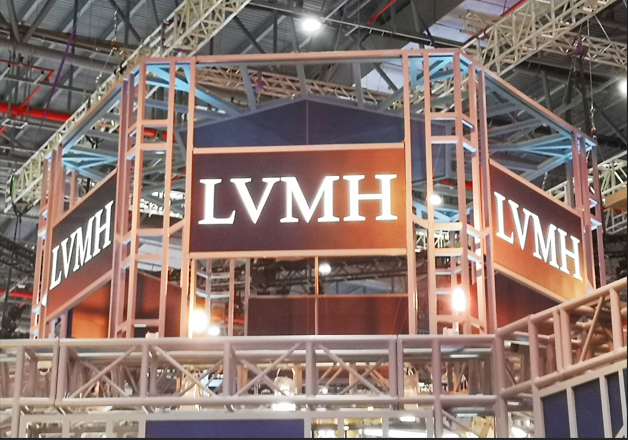
File photo/NBD
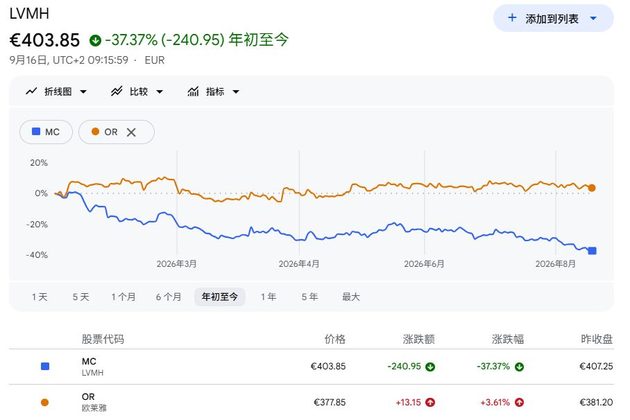
On September 15, luxury giant LVMH was overtaken in market capitalization by cosmetics leader L'Oréal, dropping out of Europe’s top ten and losing its position as France’s most valuable company for the first time since 2017.
By mid-September, L'Oréal’s market cap reached approximately €201.2 billion, eclipsing LVMH’s €199.9 billion. LVMH’s stock has fallen nearly 37% in 2026, erasing €117.4 billion in market value and knocking CEO Bernard Arnault off his spot as Europe’s richest person, behind Zara founder Amancio Ortega.
The shift underscores structural headwinds driven by LVMH’s persistent price increases. Following three rounds of price hikes in 2025 alone, Bain & Company reported that global luxury consumers fell from 400 million in 2022 to 340 million in 2025—the first structural contraction in three decades.
A Bernstein analysis highlights an affordability crisis rather than a loss of brand appeal. Between 2014 and 2025, LVMH products priced under €1,500 plummeted from 47% of its offer to just 2%. Today, sub-€1,500 options account for only 6% of LVMH's online handbag listings (mostly small leather goods), compared to 27% at Gucci and over 50% at Burberry.
In H1 2026, LVMH’s core Fashion & Leather Goods division experienced a 1% organic decline, with overall Asian market growth slowing to 4% in Q2. Sales in China—which accounts for roughly a quarter of group revenue—were further impacted by consumer backlash over an intellectual property lawsuit with local beverage chain Jasmin Tea. Independent estimates show Louis Vuitton’s China sales fell 30% year-over-year in July and 20%–25% in August.
In response, major investment banks have downgraded their outlooks. Analysts caution that LVMH's revenue growth will remain under pressure through late 2026 unless entry-level price points are adjusted.


 川公网安备 51019002001991号