Photo/Website of Ferrari
Ferrari’s debut electric vehicle has sparked significant controversy, raising questions about the brand’s strategic direction and long-term value.
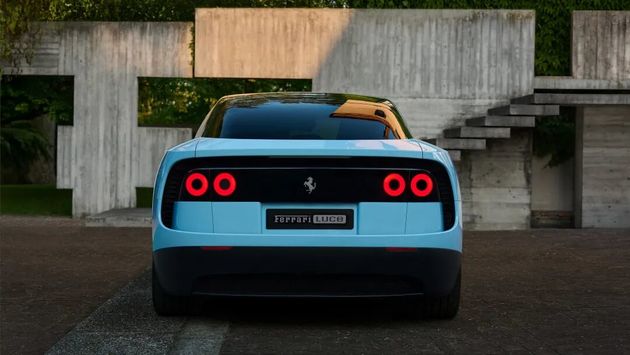
On May 25 (local time), Ferrari unveiled its first fully electric model, the Luce, in Rome. Priced at €550,000 (about 4.35 million yuan), the car delivers 1,050 horsepower, a 530 km range, and adopts a four-door, five-seat layout—marking a major shift from Ferrari’s traditional two-door supercar identity.
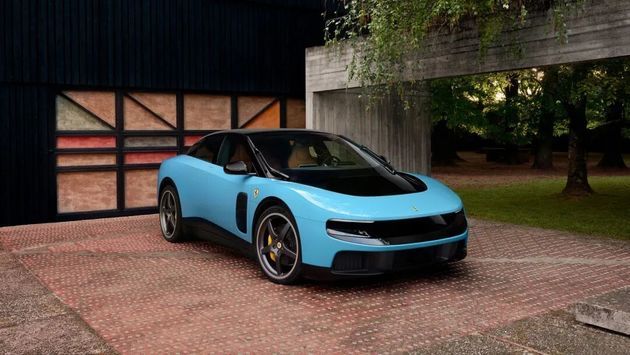
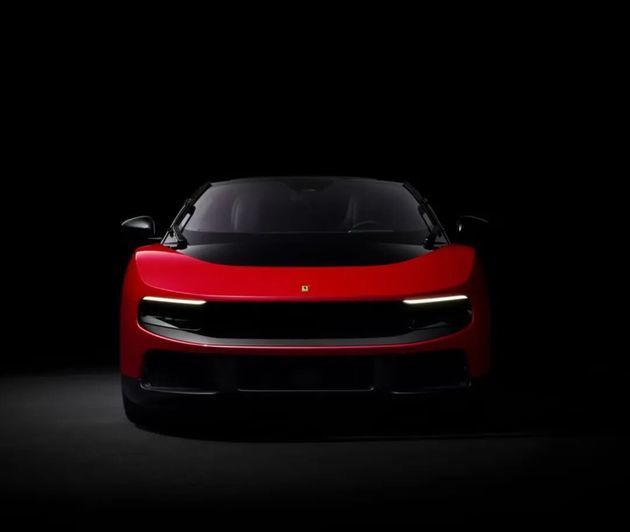
The Luce incorporates more than 60 new patents and features a bold design by the LoveFrom team, co-founded by former Apple design chief Jony Ive and Marc Newson. The vehicle showcases a “glass house” structure using extensive Corning glass, while retaining Ferrari’s signature round taillights. It measures over 5 meters in length, weighs 2,260 kg, and is powered by four electric motors, achieving 0–100 km/h in 2.5 seconds and a top speed of 310 km/h. It also uses a 122 kWh battery and an 800-volt system.
Despite its technical sophistication, the Luce has been met with widespread criticism. Former Ferrari chairman Luca di Montezemolo warned that the model risks “destroying a legend,” even suggesting the brand badge be removed. Analysts have also expressed skepticism, with some describing its design as resembling a mix between an electric Honda Accord and a Tesla Model 3, questioning Ferrari’s new strategy.
Photo/Website of Ferrari
Enthusiasts have voiced similar concerns, arguing that the absence of the iconic V12 engine sound and the shift to a five-seat configuration dilute Ferrari’s exclusivity and emotional appeal—key elements of its brand premium.
The negative sentiment quickly impacted financial markets. On May 26, Ferrari’s Milan-listed shares fell nearly 8% intraday before closing down more than 6%. In the U.S., the stock dropped 5.25% to $329.91.
Analysts warn that the Luce’s positioning—leaning toward practicality and broader usability—could weaken Ferrari’s core identity, which has historically relied on performance, heritage, and scarcity.
The timing of the launch adds further pressure. Global luxury automakers are becoming more cautious about electrification. Porsche has slowed its all-electric 718 plans, Lamborghini has delayed its first EV and shifted focus to hybrids, and brands like McLaren, Bentley, and Rolls-Royce are also taking a more gradual approach.
Photo/Website of Ferrari
Against this backdrop, Ferrari’s aggressive push into EVs appears risky. The company reported Q1 2026 revenue of €1.85 billion, up 3% year-on-year, while maintaining its full-year guidance of around €7.5 billion. However, global deliveries fell 4.4% to 3,436 units.
In 2025, Ferrari delivered 13,640 vehicles worldwide, slightly down from the previous year. China saw a notable decline, with deliveries dropping to 941 units, down by 221 vehicles.
Ferrari has also scaled back its electrification targets, lowering the expected share of EVs in its lineup by 2030 from 40% to 20%, while continuing to focus on hybrid and combustion models.
Executive Chairman John Elkann defended the Luce, emphasizing that customers are increasingly interested in electric vehicles and that innovation is essential for maintaining leadership. However, analysts caution that if the Luce fails commercially, it could erode Ferrari’s brand equity and profitability.
As Ferrari enters the EV era, the Luce represents a bold but controversial bet. Whether it can balance innovation with heritage—and win over both customers and investors—remains uncertain.


 川公网安备 51019002001991号