Photo/AIGC
Rising geopolitical tensions in the Middle East have triggered sharp volatility in fossil fuel markets, once again exposing the fragility of global energy security. Against this backdrop, claims of “overcapacity” in China’s renewable energy sector were firmly rejected by international experts at the China Development Forum 2026.
A broad consensus emerged: the world is not facing a surplus of clean energy—but a significant and growing shortage.
Fossil Fuel Dependence Under Strain
The ongoing conflict has disrupted oil flows through the Strait of Hormuz, sending Brent crude prices above $120 per barrel—more than 60% higher than pre-conflict levels. The shock is rippling across industries, fueling inflation and raising borrowing costs.
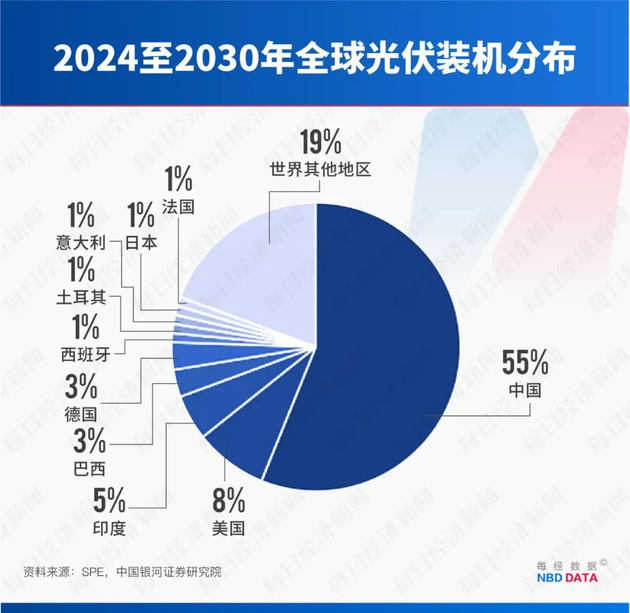
John Quelch, Executive Vice Chancellor of Duke Kunshan University, noted that countries heavily reliant on fossil fuels are far more vulnerable to such crises, while those investing in renewables are better insulated.
With global oil reserves estimated to cover only three to four months of consumption under severe disruption scenarios, the risks of overdependence are becoming increasingly evident.
A Structural Gap in Clean Energy Supply
Experts emphasized that global demand for renewable energy far exceeds current supply. This gap spans both developed and developing economies.
Zheng Yongnian, Dean of the School of Public Policy at the Chinese University of Hong Kong, Shenzhen, said the global energy transition is still in its early stages, with vast unmet demand—particularly in emerging markets.
The International Energy Agency’s approach reflects this reality: ensure short-term supply stability, strengthen coordination among major economies, and accelerate the long-term shift toward renewables and resilient energy systems.
Recent policy moves underscore this urgency. Vietnam has announced plans to accelerate electric vehicle adoption and expand charging infrastructure, while companies worldwide are increasing procurement of solar and other clean technologies.
Upstream Constraints Are Intensifying
The supply gap is also extending upstream into critical minerals.
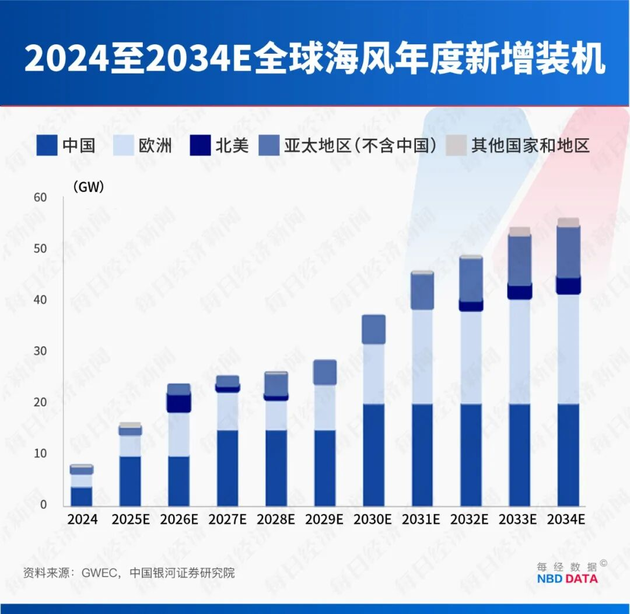
Jeremy Weir, Non-executive Chairman of Trafigura, highlighted the massive material requirements of the energy transition: each gigawatt of offshore wind requires up to 5,000 tons of zinc, while solar installations demand large volumes of aluminum. Electric vehicles use roughly four times more metal than traditional cars, particularly copper.
According to the International Energy Agency, total demand for key energy transition metals could increase sixfold by 2050, with lithium and cobalt demand rising nearly fortyfold.
Jonathan Price, CEO of Teck Resources, warned that supply could fall short by nearly 30% by 2035.
China’s Role as a Critical Supplier
Amid these constraints, China is increasingly viewed as a central pillar in addressing the global energy gap.
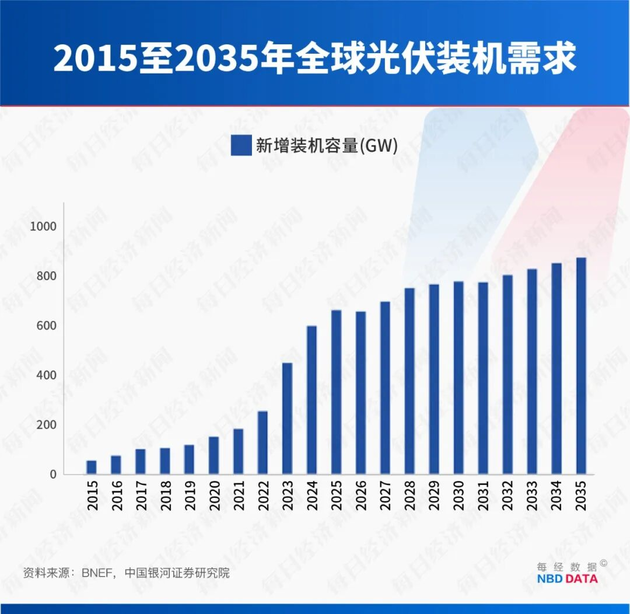
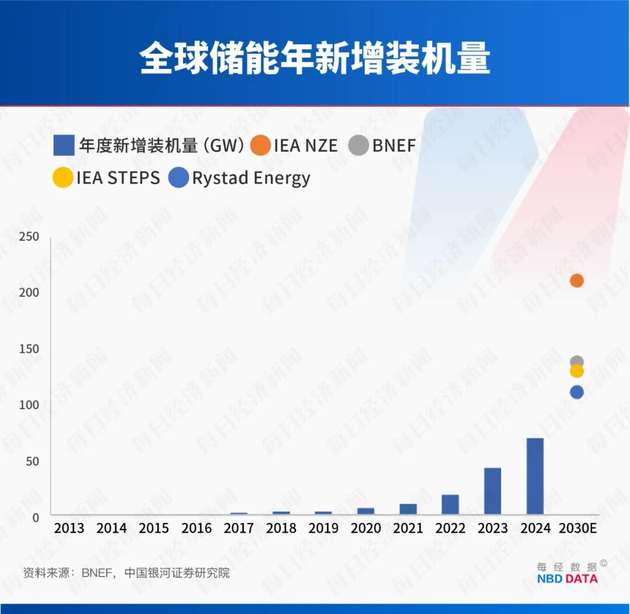
The country has built the world’s most comprehensive renewable energy industrial chain, spanning solar, wind, storage, and electric vehicles. It also leads in both technology and cost efficiency.
Nicholas Stern, a leading climate economist at the London School of Economics, noted that China’s energy transition investment in 2024 exceeded that of the U.S., EU, and UK combined. He argued that the issue is not overcapacity, but whether China’s output can meet enormous global demand.
China’s manufacturing scale has driven dramatic cost reductions: solar power costs have fallen by more than 90% since 2010, while offshore wind costs have dropped by around 60%.
Beyond scale and cost, China offers full-system solutions—from generation to storage to grid integration—capable of operating across diverse geographies and climates.
From Domestic Strategy to Global Impact
China’s policy consistency further reinforces its position. Under its carbon peaking and neutrality goals, the country continues to expand renewables and tighten emissions targets, providing long-term certainty rarely seen elsewhere.
Initiatives such as the “West-to-East Power Transmission” program illustrate how digital infrastructure and clean energy can be integrated at scale, offering a potential model for other ქვეყნ.
International companies are already leveraging Chinese technologies to reduce emissions and accelerate deployment. In regions such as Africa, Southeast Asia, and Latin America, Chinese solar, wind, and battery solutions are significantly shortening the timeline for energy access.
The conclusion from global experts is clear: renewable energy is not in oversupply—it is in undersupply.
As energy security concerns intensify, the priority is no longer to debate capacity, but to scale it rapidly. In this context, China’s capabilities are not a source of imbalance, but a critical part of the solution.


 川公网安备 51019002001991号