
Photo/AIGC
The geopolitical landscape of the Middle East shifted violently on Feburary 28 as Israel announced a strike against Iran, plunging the region into a state of emergency and paralyzing international aviation corridors.
Immediate Escalation and Airspace Shutdown
Following the strikes, Israel declared a national emergency and officially shuttered its airspace. Iran responded shortly after, with its civil aviation authority announcing a six-hour total closure of national skies.
The ripple effect was instantaneous:
Iraq closed its airspace citing safety risks from the strikes.
Kuwait and Russia suspended all flights to Iran and Israel until further notice.
Qatar Airways halted all operations to and from Doha, coordinating with authorities for a phased recovery once the airspace is deemed safe.
Operational Chaos at Global Hubs
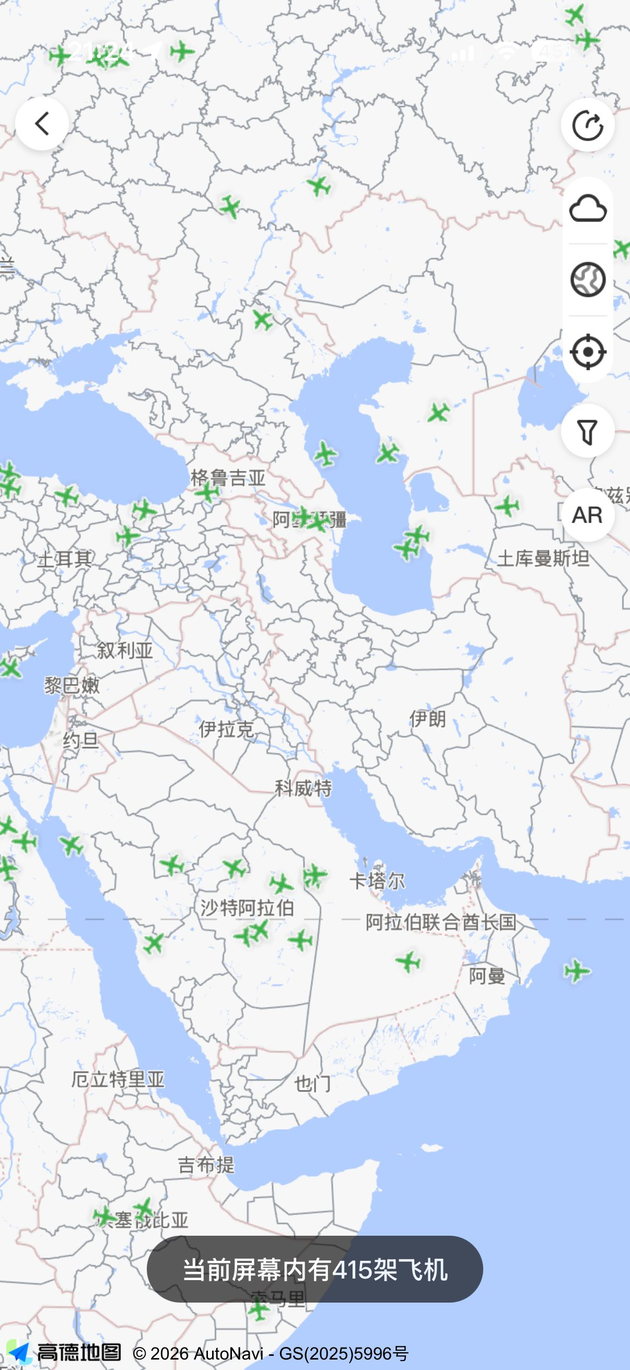
The "Golden Shortcut" of Afro-Eurasian aviation—the Middle East corridor—is currently severed. Data from Flight Master and Variflight reveal a crisis at major transit points:
Dubai International (DXB): Reported 459 flight cancellations as of 22:30 Beijing time.
Doha and Abu Dhabi: Experiencing severe delays and diversions.
In-Flight Diversions: Multiple international flights were forced to U-turn or reroute mid-air as the "aerial Silk Road" over Iran went dark.
Airlines and Platforms Launch Emergency Protocols
Major carriers and travel platforms have activated contingency plans to mitigate passenger impact:
Hainan Airlines: Has issued a full refund and free change policy for affected tickets booked before February 28.
China Eastern Airlines: Released special handling rules for routes involving Dubai, Riyadh, and Muscat, offering free changes or refunds for travel through March 15.
Trip.com: Established a task force and provided "bottom-line guarantees" for hotel bookings in over 14 Middle Eastern countries, covering potential cancellation losses for users traveling between Feb 28 and March 5.
Long-term Economic and Strategic Impact
Li Xiaojin, Director of the Institute of Aviation Economics and Development at the Civil Aviation University of China, warns that the conflict forces a "temporary reconstruction" of the global route network.
"Approximately 28% of transcontinental flights typically cross this region. Rerouting around the Arabian Peninsula or the Caucasus adds 1 to 3 hours of flight time per trip," Li noted.
With the aviation industry's profit margins hovering between 3% and 5%, the combination of increased fuel consumption and rising oil prices poses a significant threat to 2026 fiscal targets. While some experts, like Qi Qi, believe the impact may be concentrated on Middle Eastern carriers (Qatar, Emirates), the precedent of MH17 serves as a stark reminder of the catastrophic risks posed by anti-aircraft systems in active combat zones.
As Israel signals that this "first phase" of strikes could last four days and Iran vows "devastating retaliation," the stability of the world's most critical transit corridor remains precarious.


 川公网安备 51019002001991号