While Beijing shivers in sub-zero temperatures, the south bank of the Persian Gulf remains engulfed in a 30°C heatwave. At the Yas Marina F1 Circuit, the roar of engines pierces the air as race cars exceed 200 km/h, navigating sharp corners with precision—yet their cockpits are empty.
This is the frontline of a technological revolution. Chinese autonomous driving firms, including WeRide, Baidu (Apollo Go), Didi Autonomous Driving, and XPENG AeroHT, have collectively "landed" in Abu Dhabi, transforming the UAE capital into a global hub for unmanned mobility.
A Hotbed for Pure Unmanned Commercialization
In November 2025, Abu Dhabi witnessed a historic milestone: the launch of the world’s first Robotaxi service integrated into the Uber platform outside the U.S., powered by WeRide.
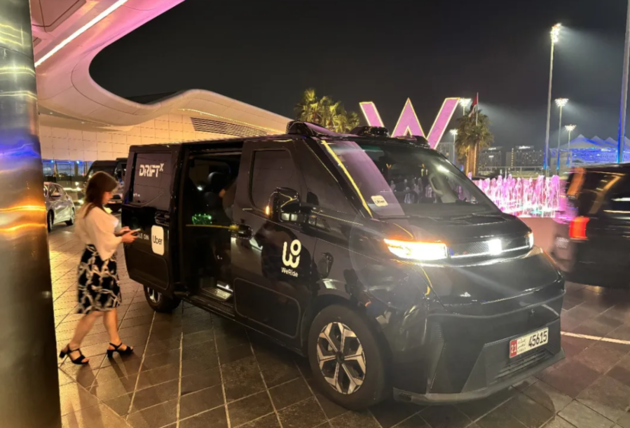
The surge of Chinese tech in the region is a result of years of strategic alignment:
Regulatory Firsts: WeRide secured the UAE’s first national autonomous driving license in 2023. By late 2025, both WeRide and Baidu received the first batch of fully unmanned commercial licenses.
Operational Excellence: Baidu’s "Apollo Go" has maintained a zero-accident record during intensive testing, while WeRide’s Robotaxis now handle over 60% of the daily volume of traditional taxis in specific zones.
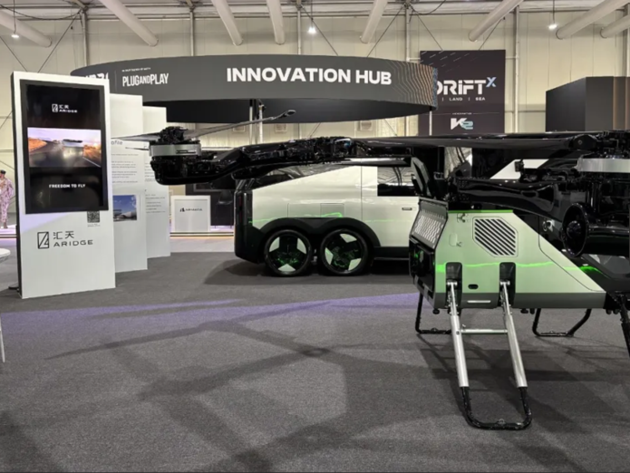
Expanding Dimensions: The collaboration extends beyond the road. XPENG AeroHT successfully demonstrated its eVTOL (flying car) in Masdar City, while Didi is testing L4 autonomous trucks for port logistics.
The "Abu Dhabi Model": Policy, Profit, and Social Synergy
Industry leaders credit the rapid scaling to Abu Dhabi’s unique ecosystem. Han Xu, Founder and CEO of WeRide, noted the government’s unwavering resolve, shifting from a "regulator" to an "ecosystem builder."
Key Advantages for Chinese Firms:
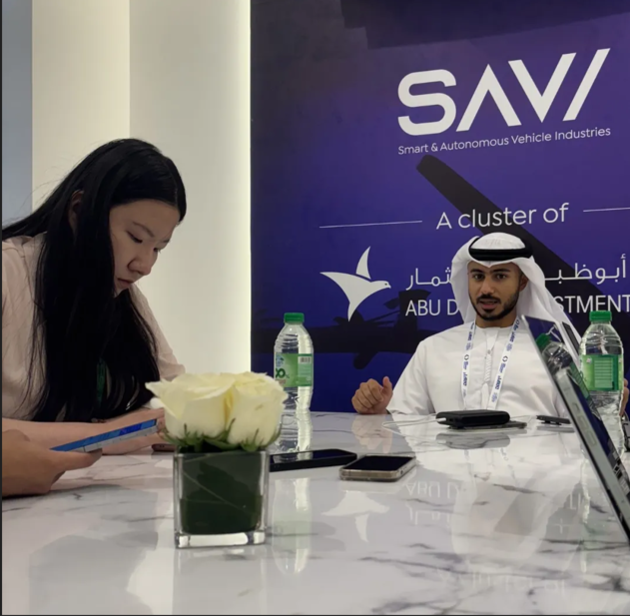
High Efficiency: The Smart and Autonomous Vehicle Industries (SAVI) in Abu Dhabi cluster streamlines cross-departmental hurdles, such as coordinating autonomous vehicles with emergency services within a single week.
Superior Profitability: Due to high unit prices, shorter average trips, and low traffic congestion, a fleet of just 200 Robotaxis can achieve break-even in Abu Dhabi—a threshold significantly lower than the thousands required in the Chinese market.
Low Social Friction: With expatriates making up nearly 89% of the population, the "tech replacing jobs" debate is virtually non-existent, as the labor force is highly mobile and transitionary.
A Strategic Hub for Global Tech Output
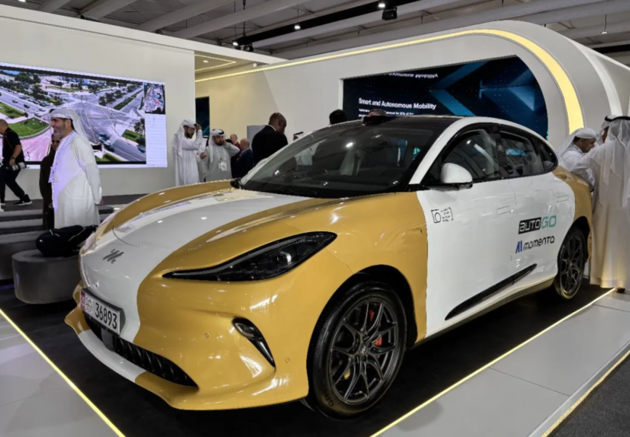
Abu Dhabi’s embrace of autonomous driving is a pillar of its "Artificial Intelligence Strategy 2031," aiming to have AI contribute 20% of its non-oil GDP.
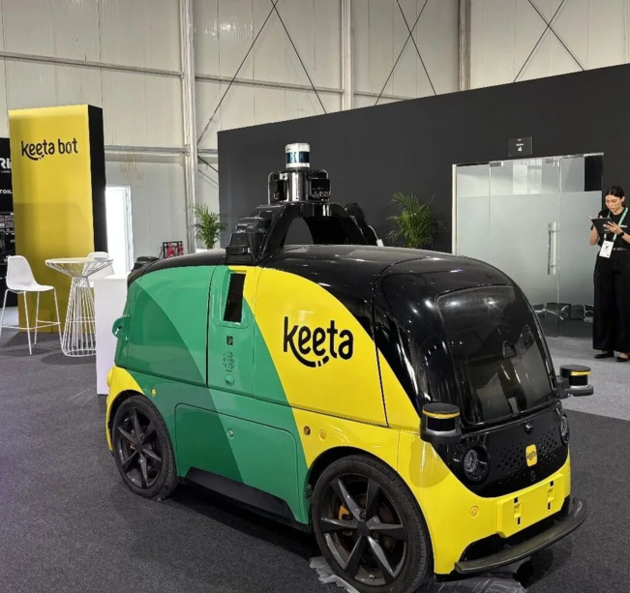
Chinese technology is the "hardware" powering this vision. During the Autonomous Racing League (A2RL), Chinese teams showcased millisecond-level AI responsiveness. Even the racing hardware relies on Chinese innovation, with Seyond’s "Falcon" LiDAR emerging as the top-performing sensor under extreme track conditions.
"Chinese companies haven't just brought advanced technology; they've brought replicable business models," says a SAVI expert.
Looking Ahead
Abu Dhabi is no longer just a testing ground; it is becoming a launchpad. Chinese firms plan to use the city as a headquarters to radiate across the MENA region, with expansions into Saudi Arabia and Qatar slated for 2026. This "going global" trend highlights the maturity of China's autonomous driving supply chain and its burgeoning influence on the future of global mobility.


 川公网安备 51019002001991号